Work uniforms have a harder life than most clothing.
They're worn repeatedly, washed frequently and, depending on the job, exposed to heat, sweat, dirt and the general wear that comes with a full working day.
So when you're investing in branded uniforms, appearance isn't the only consideration.
You also want the branding to last.
This leads to one of the most common questions businesses ask when ordering uniforms:
Does embroidery last longer than printing?
Embroidery has an excellent reputation for durability because the design is stitched directly into the garment. But modern printing methods can also produce long-lasting results when the right technique, garment and application are used.
The better question isn't simply "Which lasts longer?" It's which decoration method is most appropriate for the way your team will actually use the uniform?
Let's compare them.
How Does Embroidery Work on Uniforms?
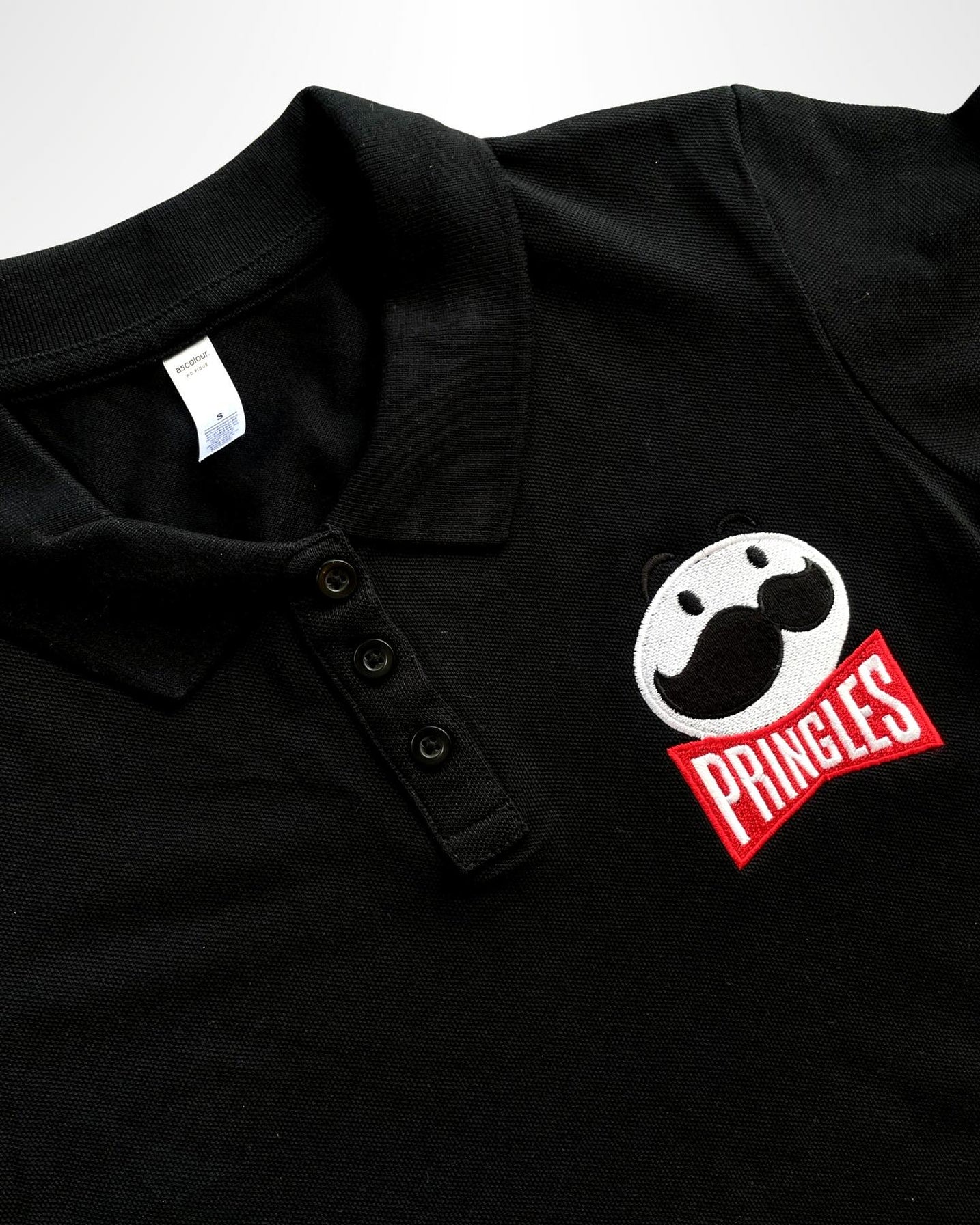
Embroidery creates your logo or design using thread stitched directly into the garment.
Before production, the artwork is converted into an embroidery file through a process called digitising. This determines how the design will be constructed using stitches.
Embroidery is particularly common on:
- Polo shirts
- Business shirts
- Jackets
- Hoodies
- Caps
- Beanies
- Hospitality uniforms
- Trade workwear
- Corporate apparel
Because the design becomes physically stitched into the garment, there's no printed surface layer to peel away.
That's one of the reasons embroidery is so commonly associated with long-lasting work uniforms.
How Does Printing Work on Workwear?
"Printing" isn't actually one single process.
There are several methods available for decorating apparel, including screen printing, DTF (Direct to Film) and DTG (Direct to Garment).
Each behaves differently.
Screen Printing
Screen printing applies ink directly to the garment through a mesh screen.
It's widely used for T-shirts, hoodies and workwear, particularly for bold logos and larger production runs.
DTF Printing
DTF prints the artwork onto a specialised film before transferring it to the garment using heat and pressure.
It's particularly useful for detailed, colourful logos and flexible production quantities.
DTG Printing
DTG digitally prints the artwork directly onto the garment.
It can be useful for detailed, full-colour designs and more complex artwork.
So when comparing embroidery with "printing", it's important to remember that the durability of a printed uniform will depend partly on which printing method is being used.
Does Embroidery Last Longer Than Printing?
In many workwear applications, embroidery is an exceptionally durable choice.
The design is made from thread and stitched directly into the garment rather than applied as a surface print. That means you don't have the same concerns about a printed layer cracking or peeling over time.
However, that doesn't mean printed uniforms are inherently short-lived.
A professionally produced screen print or DTF application on an appropriate garment can withstand regular wear and washing when cared for correctly.
The lifespan of your branding depends on several factors:
- Decoration method
- Quality of production
- Garment fabric
- Washing frequency
- Washing temperature
- Drying method
- Working environment
- Design size and placement
- How the garment is used
In other words, the production method matters — but so does everything that happens to the uniform afterwards.
Why Is Embroidery So Durable?
Embroidery's durability comes from its construction.
The design isn't sitting on top of the fabric as a printed image. Thousands of stitches can be used to physically create the logo.
This makes embroidery particularly useful for workwear that needs to maintain a consistent branded appearance through frequent use.
It's one reason you commonly see embroidery on uniforms in industries such as:
- Construction and trades
- Hospitality
- Corporate services
- Cleaning
- Property services
- Warehousing
- Automotive businesses
- Events
- Fitness
For a small chest logo, embroidery can provide a particularly practical combination of durability and presentation.
Can Embroidery Fade?
Embroidery doesn't behave exactly like a printed graphic, but it can still change over the life of a garment.
Thread quality, garment care, UV exposure and repeated washing can all influence appearance over time.
The garment itself may also fade before the embroidery does.
For example, after extensive washing, a dark polo shirt might begin to lose some of its original colour while the embroidered logo remains comparatively prominent.
That can be an advantage from a branding perspective, although eventually the garment itself may need replacing even if the embroidery is still intact.
Does Printed Workwear Peel or Crack?
It can - but it shouldn't be assumed that every printed uniform will.
Different print methods age differently, and production quality matters considerably.
Garments also need to be washed and cared for appropriately.
Repeated exposure to high temperatures, harsh washing conditions or unsuitable drying can affect certain types of printed decoration.
This is why following the recommended care instructions is important.
The cheapest possible print on the cheapest possible garment is unlikely to provide the same long-term result as a uniform where the garment, artwork and production method have been selected for regular use.
What About Screen Printing?
Screen printing has been used on workwear for decades for good reason.
When correctly produced and cured, it can be highly durable and particularly effective for simple, bold designs.
It's especially useful when you need larger branding areas.
For example, a trade business might want:
Front: Small company logo
Back: Large logo + phone number + website
Embroidering that entire back design could add considerable weight and stiffness to the garment.
Screen printing may be a much more practical way to produce the larger design while maintaining good durability.
This highlights an important point:
The most durable decoration method isn't necessarily the most appropriate method for every placement.
What About DTF?
DTF provides more flexibility for complex artwork.
If your logo contains multiple colours, detailed elements or fine text, DTF may reproduce those details more accurately than embroidery.
The transfer sits on the surface of the garment, so it has a different feel and wear pattern from stitched branding.
For work uniforms, DTF can be particularly useful when:
- The artwork is too detailed for embroidery
- Larger branding is required
- Multiple colours need to be reproduced
- Smaller quantities are being ordered
- Different staff garments require flexible branding
Again, garment care plays an important role in maintaining the print.
Which Is Better for Frequently Washed Uniforms?
If uniforms are being washed very frequently, embroidery is worth serious consideration for smaller logos.
There's no large printed surface to maintain, and stitched branding is well suited to repeated use.
But washing frequency is only one part of the equation.
You also need to consider the garment itself.
If a low-quality shirt loses its shape, shrinks or becomes uncomfortable after repeated washing, it doesn't matter that the logo still looks perfect.
Uniform durability should therefore be considered as:
Garment durability + decoration durability + appropriate care.
All three matter.
Which Is Better for Tradies?
Trade uniforms often need to prioritise practicality.
They may be exposed to:
- Dirt
- Dust
- Sweat
- Outdoor conditions
- Frequent washing
- Physical movement
- Abrasion
A small embroidered chest logo can be an excellent option for polos, work shirts, jackets and other suitable garments.
For larger branding across the back, printing may be more practical.
A common setup could therefore be:
Front: Embroidered company logo
Back: Printed logo, website or contact information
There's no requirement to use only one decoration technique across the entire garment.
Which Is Better for Hospitality Uniforms?
Hospitality uniforms need to balance appearance with repeated wear.
For polos, aprons, shirts and jackets, embroidery is frequently used because it provides clean, compact branding.
A café or restaurant may only need a small embroidered logo rather than a large promotional design.
For casual staff T-shirts, however, printing may create a more appropriate aesthetic - particularly if the business has a strong visual identity or wants staff apparel to feel closer to merchandise.
The working environment should guide the decision.
Which Is Better for Corporate Uniforms?
Corporate uniforms often favour relatively subtle branding.
A small embroidered logo on a polo, shirt, vest or jacket can provide brand visibility without dominating the garment.
Because embroidery has physical texture, it can also complement structured garments particularly well.
Printed branding can still work for more casual corporate apparel such as team T-shirts, event clothing and internal merchandise.
What Happens When the Uniform Itself Wears Out?
This is an important consideration that's often missed when comparing decoration durability.
The logo isn't the only part of the uniform with a lifespan.
Eventually, garments may:
- Fade
- Stretch
- Shrink
- Stain
- Lose their shape
- Develop holes
- Become worn around collars or cuffs
A decoration method lasting for years doesn't provide much practical benefit if the underlying garment needs replacing considerably earlier.
That's why it's worth investing in an appropriate blank garment as well as good decoration.
The goal isn't simply to create the longest-lasting logo.
It's to create a uniform where the garment and branding have compatible lifespans.
Does Logo Size Affect Durability?
Size affects more than appearance.
Embroidery works particularly well for smaller areas, but very large embroidered designs require significantly more stitching.
That can make the garment heavier, stiffer and less comfortable.
Printed methods are generally more practical for large back or front designs.
With DTF and some other transfer methods, very large solid areas can also change the feel and breathability of the garment.
This is another reason why artwork should be considered alongside the intended placement rather than choosing a decoration method in isolation.
How Can You Make Branded Uniforms Last Longer?
Whatever decoration method you choose, proper garment care matters.
Always follow the specific care instructions supplied with your garments and decorated apparel.
As a general principle, avoid treating work uniforms more aggressively than necessary.
Consider:
- Appropriate washing temperatures
- Turning garments inside out where recommended
- Using suitable detergents
- Following drying instructions
- Avoiding unnecessary high heat
- Not ironing directly over printed areas unless the care instructions permit it
Your work environment may require particular washing procedures, so this should be discussed when choosing the garment and decoration method.
Embroidery vs Printing: What About Cost Over Time?
The cheapest option per shirt isn't always the cheapest uniform program over time.
Consider how frequently garments will be worn and replaced.
If staff wear the same uniforms several times each week, durability and garment quality may justify a higher initial investment.
If you're producing shirts for temporary staff or a short event, your priorities may be completely different.
Think about cost per wear, not just cost per garment.
A uniform that's slightly more expensive but remains presentable for significantly longer may offer better value than repeatedly replacing lower-cost apparel.
Can You Combine Embroidery and Printing?
Yes, and for many workwear projects, that's exactly what makes sense.
You could use:
- Embroidery for a small front logo
- Screen printing or DTF for larger back branding
- Embroidery on polos and jackets
- Printing on staff T-shirts
- Embroidery on caps and beanies
Your branding can remain consistent even when the decoration method changes.
The objective is to use the technique that makes the most sense for each garment, placement and design.
So, Which Lasts Longer: Embroidery or Printing?
If you're comparing a small workwear logo under regular use, embroidery is generally an excellent choice when long-term durability is a major priority.
But that doesn't mean every work uniform should be embroidered.
Modern printing methods can also provide durable results and may be more appropriate for larger graphics, detailed artwork or particular garment types.
Rather than asking only which method lasts longer, consider:
- How often will the uniform be worn?
- How often will it be washed?
- What environment will it be used in?
- How large is the logo?
- How detailed is the artwork?
- What garment is being decorated?
- Where will the branding sit?
Those answers will tell you far more about the right production method than durability alone.
Need Work Uniforms That Can Handle Regular Wear?
Your uniforms need to do more than look good on day one.
Halo Print Co can help you choose the right garments and decoration method based on how your team will actually use their workwear.
Whether you need embroidered polos, printed T-shirts, branded jackets, staff hoodies or a combination of embroidery and printing across your uniform range, we'll help you find a practical approach for your artwork, team and working environment.
Send Halo Print Co your logo, approximate quantities and the type of uniforms you're considering, and we'll help you work out the best option and provide a quote.